How Sarral Went From Burnout to a Real Retail Shelf
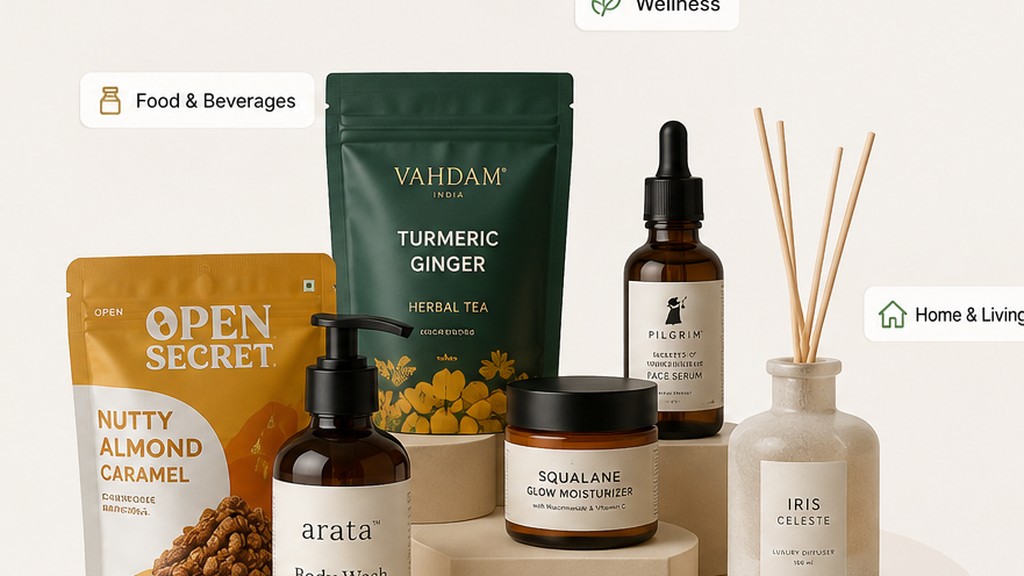
Every brand on OfflineCart has an origin story, but Sarral's is one we keep coming back to, because it starts with a problem so many founders will recognise: two people, burnt out from work they didn't love, looking for something — anything — that made them feel like they'd switched off for even twenty minutes.
From consulting decks to bath salts
Sarral was started in 2022 in a Bengaluru apartment kitchen by two former consulting analysts who had spent years on 60-hour weeks with no reliable way to decompress. What began as a way to make their own evenings more bearable — mixing magnesium-rich Epsom salts with real lavender buds, testing ratios on themselves and their flatmates — slowly turned into something other people wanted too.
"We weren't trying to build a wellness brand," is roughly how the founders describe it. "We were trying to fix our own Tuesday nights." That honesty is baked into everything Sarral makes: no elaborate ten-step rituals, just products built around one simple idea — a bath is the cheapest therapy you'll ever get, if you actually do it properly.
Building real traction online
Sarral's early growth came the way most D2C brands' does: word of mouth, a slowly growing Instagram following, and repeat customers who told their friends. By the time they were ready to think about physical retail, Sarral was shipping to more than 4,000 customers a month — a number that would make most early-stage retailers take a brand seriously immediately.
But "take us seriously" and "give us a shelf" are two very different asks when you don't have an existing relationship with a store. That's the gap that kept Sarral online-only for two years, despite clearly having the demand to succeed offline.
Thinking about a shelf of your own?
See what OfflineCart gives every brand — dedicated shelf space, a QR-linked brand page, and monthly reports on what's actually selling.
What changed with a real shelf
Sarral's OfflineCart shelf is a premium placement — their Lavender Epsom Salt and Himalayan Rose Salt Soak now sit where customers can actually pick up the packaging, read the label, and make a decision on the spot, rather than scrolling past a product photo. For a brand whose entire pitch is a sensory experience — the smell of real lavender, the weight of the salt in your hand — that tactile moment matters more than almost any other category.
It's also given Sarral something their online store never could: walk-in customers who had never heard of the brand until they saw it on a shelf next to names they already trusted. That's a genuinely different acquisition channel than anything paid social can offer, and it costs a flat monthly rate instead of a rising cost-per-click.
The lesson for other founders
Sarral's story isn't unusual — a lot of the strongest D2C brands in India started as a solution to the founders' own problem, not a market gap they spotted in a spreadsheet. What is unusual is how long it can take a brand with real, proven online demand to find its way onto a physical shelf, simply because there was no straightforward path to get there.
If your brand has traction online and you've been wondering whether it's "ready" for retail, Sarral's answer is simple: the demand was already there. What was missing was a shelf.
Ready to get your brand onto a real shelf?
Apply in five minutes — plans start at ₹2,500/month.
Apply for a Shelf →
More from the blog
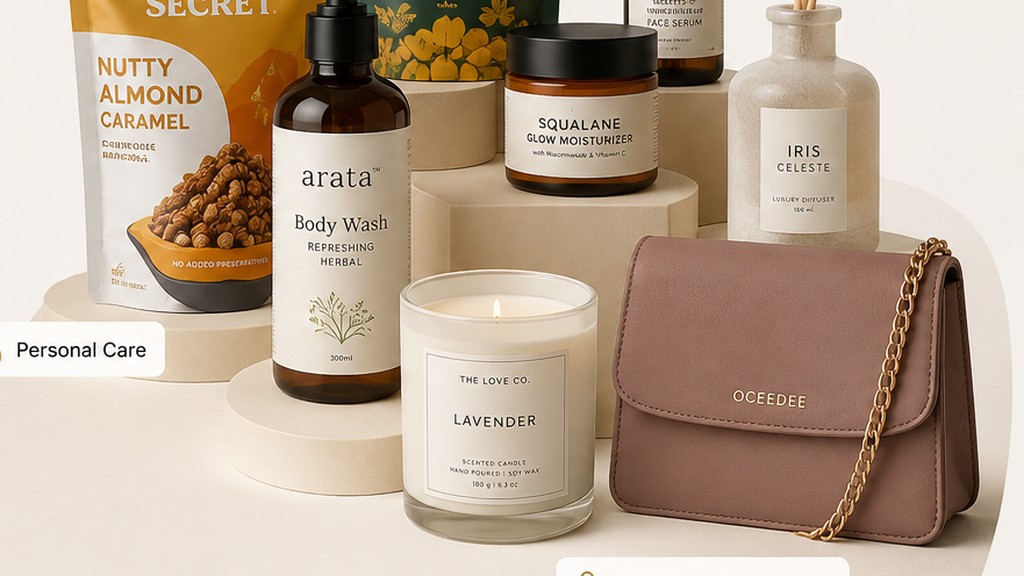
Threadwork's Handloom Bags Are Proof Offline Retail Isn't Just for Beauty Brands
A 40-artisan weaving collective in Gujarat found that fashion and accessories brands often benefit most from a shelf customers can actually touch.
2 Sept 2026 · Team OfflineCart
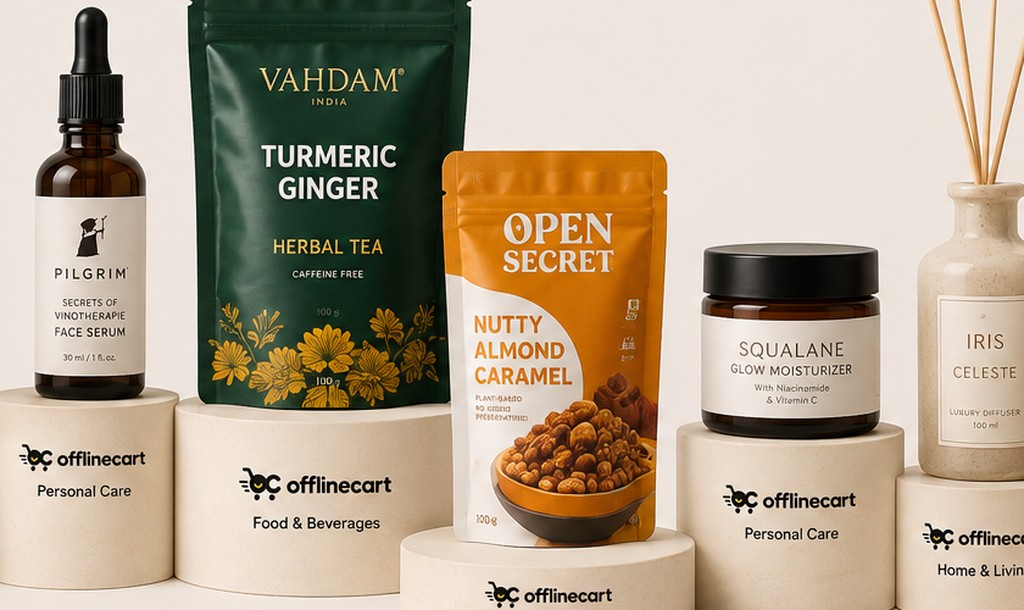
9 Independent D2C Brands Worth Watching in 2026
From bath salts brewed to fight burnout to hand-loomed totes from a 40-artisan collective — nine brands on OfflineCart shelves right now, and what makes each one worth a second look.
2 Sept 2026 · Team OfflineCart
What a ₹2,500/Month Shelf Actually Gets You
No hidden fees, no consignment math. Here's exactly what's included when you apply for a shelf on OfflineCart — and how it compares to going it alone.
2 Sept 2026 · Team OfflineCart