Threadwork's Handloom Bags Are Proof Offline Retail Isn't Just for Beauty Brands
Most conversations about D2C-to-retail focus on beauty and wellness brands — skincare you want to smell, supplements you want a stranger to vouch for. Threadwork is a reminder that the same logic applies just as strongly, maybe more so, to fashion and accessories.
A collective, not a factory
Threadwork makes handloom totes, slings and hair accessories, hand-woven by a collective of 40 artisans across Gujarat. Every piece is slightly different on purpose — the kind of variation that's a selling point when you know the story behind it, and a manufacturing "flaw" if you don't. That's exactly the problem a product photo on a website struggles to solve.
The brand was built specifically to give traditional weavers a modern retail outlet without middlemen eating into their margins — every sale funds the artisan collective directly, not a chain of distributors between the loom and the customer.
Why fabric and texture need to be touched
Textiles are a uniquely difficult category to sell purely online. A photo can show you the pattern and the color, but it can't show you the weight of the fabric in your hands, the texture of a kantha stitch, or how a bag actually sits on your shoulder. Threadwork's founders knew this from the start — it's part of why, even with a growing online following, they were looking for a physical presence almost as soon as the brand had traction.
This is a pattern worth noticing if you make anything tactile: candles, ceramics, textiles, skincare with a distinctive scent or texture. These are exactly the categories where a customer's decision changes the moment they can hold the product, and exactly the categories that benefit most from a real shelf rather than another product photo in a feed.
Thinking about a shelf of your own?
See what OfflineCart gives every brand — dedicated shelf space, a QR-linked brand page, and monthly reports on what's actually selling.
What a shelf changed for Threadwork
On OfflineCart, Threadwork holds a premium shelf placement — their handloom tote and kantha sling bag are displayed where a customer can pick them up, feel the weave, and notice the slight variation from piece to piece that makes each one unique. That's a sales argument that simply doesn't translate the same way through a screen.
It's also introduced the brand to customers who weren't following any weaving collective's Instagram and never would have — the walk-in discovery that no amount of paid social spend reliably replicates. For a brand whose entire value proposition rests on craftsmanship and material quality, that in-person moment of "oh, this is actually really well made" does more work than another ad ever could.
The takeaway for fashion and accessories brands
If you make anything people need to touch before they trust it — bags, textiles, jewellery, footwear — don't assume retail is only for beauty and food brands. It's arguably an even bigger unlock for you. Threadwork's shelf isn't just a sales channel; it's the only place a customer can actually experience what makes the product worth the price.
Ready to get your brand onto a real shelf?
Apply in five minutes — plans start at ₹2,500/month.
Apply for a Shelf →
More from the blog
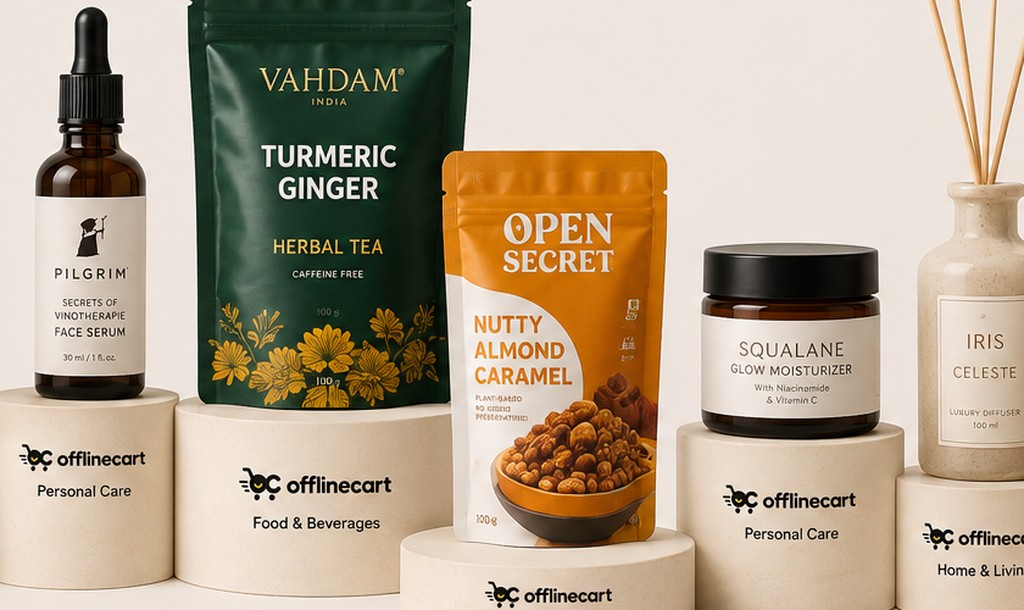
9 Independent D2C Brands Worth Watching in 2026
From bath salts brewed to fight burnout to hand-loomed totes from a 40-artisan collective — nine brands on OfflineCart shelves right now, and what makes each one worth a second look.
2 Sept 2026 · Team OfflineCart
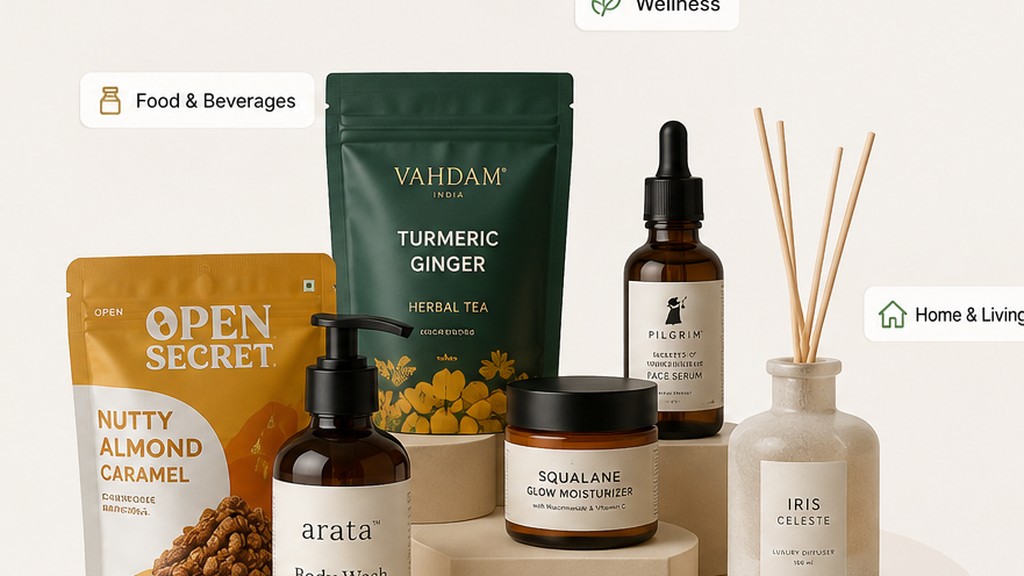
How Sarral Went From Burnout to a Real Retail Shelf
Two ex-consulting analysts started making bath salts in a Bengaluru kitchen to cope with 60-hour weeks. Two years later, Sarral has its first physical shelf.
2 Sept 2026 · Team OfflineCart
What a ₹2,500/Month Shelf Actually Gets You
No hidden fees, no consignment math. Here's exactly what's included when you apply for a shelf on OfflineCart — and how it compares to going it alone.
2 Sept 2026 · Team OfflineCart