How to Get Your D2C Brand Into Retail Stores in India
If you're reading this, chances are you've already done the hard part. You built a brand from nothing, found your first hundred customers on Instagram, figured out packaging, shipping, returns — the whole unglamorous back-end of running a D2C business in India. Now you're wondering something a lot of online-first founders eventually ask: how do I get this thing into an actual store?
It's a fair question, and a confusing one, because almost nothing about "how to get into retail" is written for a founder in your position. Most of what's out there assumes you already have a distributor relationship, a sales team, or a few lakhs to spend on a stall at a trade show. This guide is for the founder who has none of that yet — just a good product and a phone full of screenshots from happy customers.
Why offline still matters in 2026
It's tempting to think physical retail is a solved problem, or a legacy channel that D2C brands can skip entirely. In practice, the opposite is happening. Customer acquisition costs on Instagram and Meta have climbed every year since 2020, and a huge number of potential customers — especially outside metro-city early adopters — still trust a product more once they've picked it up, smelled it, or seen it sitting next to brands they already recognise. A shelf isn't a downgrade from digital. It's a different kind of proof.
There's also a discovery problem that only offline solves: someone who has never heard of your brand, was never going to see your ad, and wasn't searching for what you sell — but walks past your shelf on a Saturday and picks it up anyway. That customer doesn't exist in your funnel today. They exist the moment your product is physically in front of them.
The traditional way — and why founders avoid it
Ask around and you'll hear the "normal" path to retail: cold-call store owners, negotiate margins, agree to minimum order quantities you can't yet fulfil, ship stock on credit, and hope it sells before the store asks for it back. For an emerging brand, this is slow, expensive, and genuinely risky — a bad consignment deal can tie up cash you need for everything else.
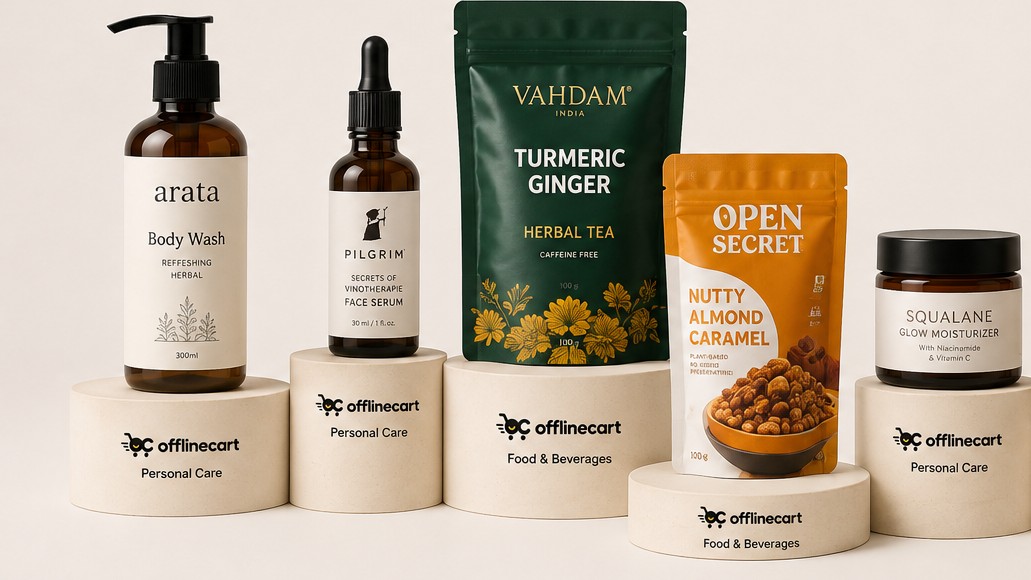
This is exactly the gap OfflineCart exists to close. Instead of negotiating shelf-by-shelf with individual stores, you apply once, get matched to a curated retail space that fits your category, and pay a flat monthly rate instead of a running consignment tab.
Thinking about a shelf of your own?
See what OfflineCart gives every brand — dedicated shelf space, a QR-linked brand page, and monthly reports on what's actually selling.
What actually changes once you're on a shelf
- A physical brand page. Every OfflineCart shelf comes with a QR code that links straight to your brand's page — so a customer who picks up your product in-store can read your story, browse your full range, and follow you, all before they've left the aisle.
- Real, unscripted discovery. No algorithm decides who sees your product. Anyone walking past does.
- Credibility that's hard to fake online. "Also available in-store" does something to a customer's trust that another Instagram ad can't.
- Actual data on what sells. You get monthly reports on views, scans and sales — not vanity metrics, real signal on what to restock.
A practical four-step path
1. Get your basics retail-ready. That means clear labelling, a price that works with a small retail margin, and enough stock to fill a shelf for a few weeks without a stockout.
2. Pick the right category. A shelf works best when it sits next to brands your customer already trusts. Think about who's already shopping the space you want to be in.
3. Apply somewhere built for brands your size. You don't need a distributor or a sales team to start — you need one real shelf and a plan for what happens when it sells out.
4. Treat the first month as a test. Watch what moves, adjust your shelf label and pricing if needed, and use the reporting to decide what to bring next.
What to prepare before you apply
Have your product photography, a one-line brand description, your city, and your preferred category ready. If you've already sold a few hundred units online, mention it — it's the fastest way to show a retail space that there's real demand behind your brand.
Getting offline doesn't have to mean betting everything on a store you're not ready to run yourself. It can start with one shelf, a QR code, and customers who didn't know you existed until they saw you on it.
Ready to get your brand onto a real shelf?
Apply in five minutes — plans start at ₹2,500/month.
Apply for a Shelf →
More from the blog
9 Independent D2C Brands Worth Watching in 2026
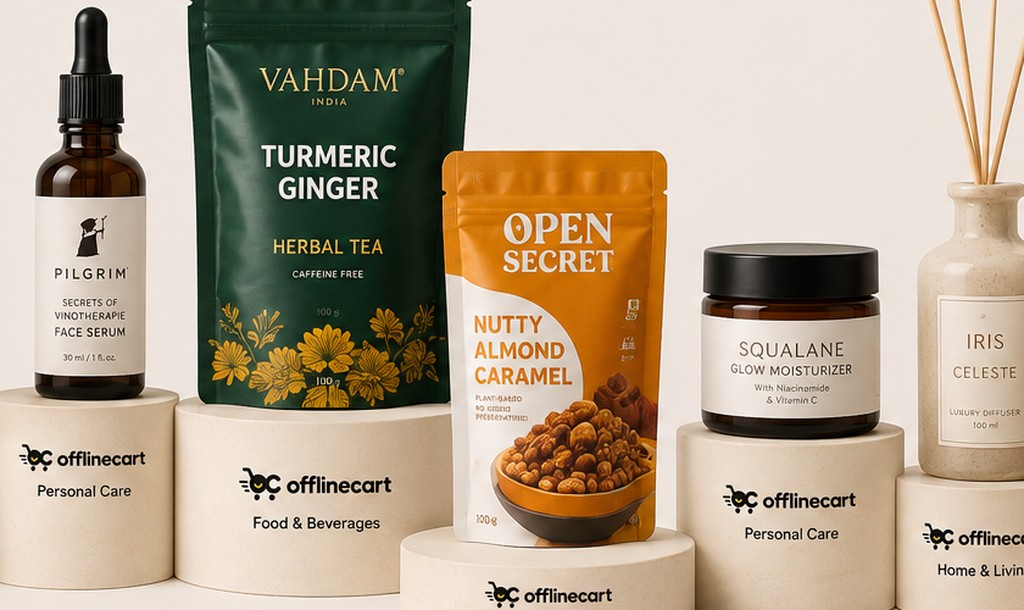
From bath salts brewed to fight burnout to hand-loomed totes from a 40-artisan collective — nine brands on OfflineCart shelves right now, and what makes each one worth a second look.
2 Sept 2026 · Team OfflineCart
What a ₹2,500/Month Shelf Actually Gets You
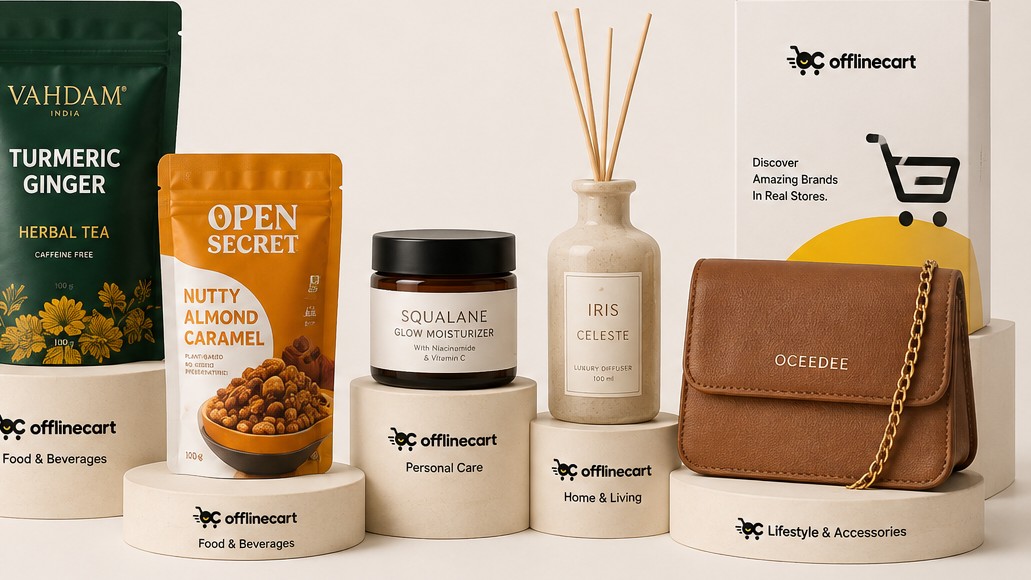
No hidden fees, no consignment math. Here's exactly what's included when you apply for a shelf on OfflineCart — and how it compares to going it alone.
2 Sept 2026 · Team OfflineCart
Threadwork's Handloom Bags Are Proof Offline Retail Isn't Just for Beauty Brands
A 40-artisan weaving collective in Gujarat found that fashion and accessories brands often benefit most from a shelf customers can actually touch.
2 Sept 2026 · Team OfflineCart